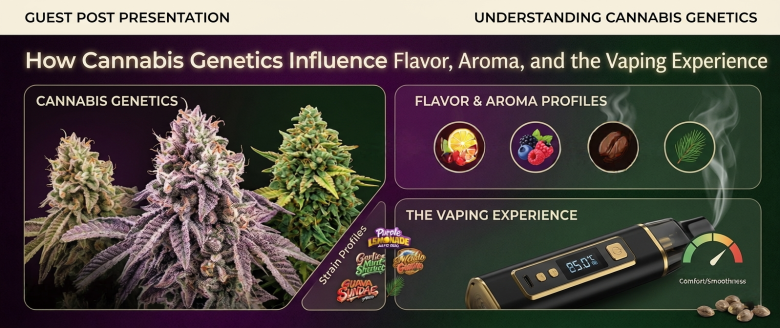
Cannabis vaping is often discussed in terms of devices, cartridges, extracts, and product formats. But the vaping experience does not start with hardware alone. It also begins with the plant itself. Cannabis genetics can influence flavor, aroma, terpene expression, cannabinoid potential, and the overall identity of a strain.
As consumers compare modern cannabis genetics, brands such as Fast Buds may appear in conversations about flavor-forward strains, terpene-rich profiles, and new-generation cannabis varieties. Still, the broader topic is not about one brand alone. It is about understanding how genetics shape the qualities that consumers notice most when they compare cannabis vape products.
This article is for educational purposes only and should not be considered medical or legal advice. Cannabis laws vary by country, state, and local jurisdiction. Consumers should only purchase cannabis vape products where legal and from licensed, regulated sources.
What Are Cannabis Genetics?
Cannabis genetics are the foundation of a strain’s identity. They influence how a cannabis variety may smell, taste, express cannabinoids, and be described by consumers. Genetics can include parent strains, hybrid background, indica or sativa positioning, CBD-rich or THC-rich profiles, and other strain characteristics.
A strain’s genetics do not determine everything by themselves, but they create the starting point. Flavor, aroma, terpene potential, cannabinoid balance, and general strain reputation all begin with the plant’s genetic background.
For consumers, genetics help explain why one cannabis product may taste citrusy and bright, while another may feel earthy, gassy, floral, sweet, or dessert-like. This is especially important in vaping, where flavor and aroma are often central parts of the consumer experience.
Flavor: How Genetics Shape Taste
Flavor is one of the clearest ways cannabis genetics can stand out. A strain may be known for citrus, berry, tropical fruit, candy, cream, gas, diesel, pine, spice, or floral notes. These flavor directions often come from a combination of genetics, terpene profile, processing, and product formulation.
Popular cannabis flavor directions include:
Citrus, Berry, Tropical fruit, Candy, Dessert, Cream, Gas, Diesel, Earthy, Pine, Spicy, Floral
In vape products, flavor can become especially noticeable because consumers often compare products by taste, smoothness, and strain identity. A clear flavor profile helps a cannabis vape product feel more recognizable and easier to remember.
A strong flavor identity also helps consumers understand what makes one strain different from another. For example, a lemon-forward vape and a dessert-style vape may both contain cannabis extract, but they can feel very different from a sensory perspective.
Aroma: Why Smell Still Matters in Vaping
Aroma is still important in vaping, even though the format is different from flower. The smell of a cannabis vape product can give consumers clues about the strain’s profile before they focus on potency or product type.
Aroma is closely connected to terpenes. Some vape products may have a fresh citrus scent, while others may smell sweet, herbal, floral, earthy, or pungent. These aromatic differences help consumers recognize strain categories and compare products more easily.
Aroma also shapes expectations. If a product smells tropical and fruity, consumers may expect a different profile than they would from something gassy, earthy, or pine-heavy. This sensory connection is one reason genetics and terpene profiles matter so much in the vaping category.
Terpenes: The Link Between Genetics, Flavor, and Aroma
Terpenes are natural aromatic compounds found in cannabis and many other plants, fruits, herbs, and flowers. They help shape how cannabis smells and tastes. In vape products, terpene profiles often play a major role in how consumers describe flavor and aroma.
Common terpene directions include:
limonene — citrus-style aroma
myrcene — earthy or herbal notes
pinene — pine-like aroma
caryophyllene — pepper or spice notes
linalool — floral or lavender-like notes
Terpenes should not be treated as medical promises or guaranteed effects. A terpene profile can help explain flavor, aroma, and strain identity, but individual consumer experiences may vary.
The most useful way to understand terpenes is as part of the complete product profile. Genetics may influence terpene potential, while processing, formulation, storage, and product quality can affect how those terpenes are experienced in a vape product.
Cannabinoids: THC, CBD, and Product Perception
Cannabinoids are another important part of cannabis product identity. THC is commonly discussed in relation to potency, while CBD is often discussed in wellness-oriented or lower-THC contexts. Minor cannabinoids are also becoming part of consumer education as the market becomes more detailed.
For vape products, cannabinoid information helps consumers understand how a product is positioned. Some products are marketed around high THC levels. Others may highlight CBD content, balanced cannabinoid profiles, or strain-specific characteristics.
Responsible language is important. Vape product descriptions should avoid medical claims or guaranteed outcomes. Better wording includes:
commonly associated with
often discussed as
may appeal to consumers looking for
marketed as
Cannabinoids matter, but they are not the whole story. Flavor, aroma, terpenes, genetics, product quality, and legal compliance all help shape the complete vaping experience.
Why Vaping Highlights Flavor and Terpene Profiles
Vaping often puts flavor and aroma at the center of consumer attention. Many people compare cannabis vape products by taste, smoothness, terpene profile, strain name, and overall product quality.
This makes genetics especially important. A strain with a strong citrus profile, tropical fruit aroma, dessert-like sweetness, or gassy identity may become more memorable in vape form because those sensory qualities are easy to notice.
Vape consumers may also pay attention to whether a product is strain-specific, full-spectrum style, live resin style, or distillate-based. These product categories can influence how much of the original plant profile is represented.
The key idea is simple: vaping can make flavor and aroma central to how consumers compare cannabis products.
Strain-Specific Vapes vs Generic Cannabis Vape Products
Not all cannabis vape products are positioned the same way. Some are marketed around a specific strain identity, while others focus more on broad flavor categories or potency.
| Type | What Consumers Should Know |
| Strain-specific vapes | Often marketed around a specific strain identity, terpene profile, and flavor direction |
| Generic vape products | May focus more on potency, format, or broad flavor category |
| Live resin / full-spectrum style products | Often discussed for richer plant-derived profiles |
| Distillate-based products | Often positioned around potency and added flavor or terpene profiles |
The more strain-specific a vape product is, the more important genetics, terpene profile, and labeling become. Consumers want to know whether the product reflects a real strain profile or simply uses a general flavor description.
How Processing Can Affect the Final Vaping Experience
Genetics create the foundation, but they are not the only factor that shapes a cannabis vape product. Processing and formulation can also affect flavor, aroma, and overall quality.
Important factors may include:
- extraction method;
- terpene preservation;
- product freshness;
- storage conditions;
- hardware quality;
- formulation;
- lab testing;
- product labeling.
A strain may have strong genetic potential, but the final vape product still depends on how the extract is made, stored, tested, and presented. This is why consumers should look at the full product profile rather than focusing only on the strain name.
Popular Cannabis Flavor Profiles in Vape Products
Cannabis vape products are often grouped by flavor and aroma direction. These categories help consumers compare products more easily.
Citrus and Tropical Profiles
Citrus and tropical profiles are often described with notes such as lemon, lime, orange, mango, pineapple, or grapefruit. These products may feel bright, fresh, and easy to recognize.
Berry and Grape Profiles
Berry and grape profiles may include blueberry, strawberry, grape, dark fruit, or mixed berry notes. These flavors are popular because they are familiar and often easy for consumers to describe.
Dessert and Candy Profiles
Dessert and candy profiles may include cookies, cake, cream, vanilla, caramel, or sweet candy notes. These flavor directions are common in modern cannabis branding because they feel rich, memorable, and consumer-friendly.
Gassy and Diesel Profiles
Gassy and diesel profiles are bold and pungent. They may include fuel, diesel, skunk, or sharp cannabis notes. Many experienced consumers recognize these profiles as classic cannabis flavor directions.
Earthy, Herbal, and Pine Profiles
Earthy, herbal, and pine profiles are often connected to more traditional cannabis aromas. These may include wood, spice, herbs, pine, pepper, or forest-like notes.
How Consumers Can Read Vape Product Descriptions Better
A good vape product description should help consumers understand the full profile, not just the potency number.
Consumers should look for:
- Strain name
- Genetic background
- Terpene profile
- Flavor description
- THC and CBD information
- Product type
- Extraction method
- Lab testing
- Legal disclaimers
- Responsible effect language
Descriptions that focus only on THC may not give enough information. A more complete description explains flavor, aroma, terpene notes, cannabinoid profile, product format, and testing.
Consumers should also be cautious with vague or exaggerated claims. Responsible product descriptions should educate, not overpromise.
Why THC Percentage Is Not the Whole Story
THC percentage is important to many consumers, but it does not define the entire vaping experience. A stronger product is not automatically a better product for every person.
Flavor, aroma, terpene profile, product quality, freshness, hardware, and cannabinoid balance can all influence how a vape product is perceived. Some consumers may prefer a lower-THC product with a clearer terpene profile and better flavor over a stronger product with a flat or harsh taste.
This is why complete product information matters. A vape product should be judged by its full profile, not by one number alone.
Responsible Vaping and Legal Reminder
Cannabis vape products should only be purchased where legal and from licensed, regulated sources. Consumers should avoid untested or illicit vape products, since product safety, ingredients, and testing standards may be unclear.
Cannabis laws vary by country, state, and local jurisdiction. Vape products may also have age restrictions and different rules depending on product type, cannabinoid content, and local regulations.
Educational content about cannabis vaping does not replace legal or medical advice. Consumers should check official sources and consult qualified professionals when needed.
Genetics Shape the Experience, But the Full Product Matters
Cannabis genetics influence flavor, aroma, terpene expression, cannabinoid potential, and strain identity. In vaping, those details can become especially important because taste and aroma are central parts of how consumers compare products.
A citrus-forward vape, a dessert-style vape, a gassy vape, and an earthy vape may all feel different because of the genetics and terpene profiles behind them. But genetics are only one part of the final product.
Processing, formulation, testing, storage, hardware, labeling, and legal compliance also matter. The best cannabis vape products are not only strong; they are clearly described, responsibly made, tested, flavorful, and easy for consumers to understand.