If you’ve been paying attention to the hemp and cannabis world lately, you’ve probably noticed THCA flower gaining serious momentum. It’s everywhere—online shops, local dispensaries, conversations among enthusiasts. But if you’re new to this scene, the whole thing might seem a bit mysterious. What exactly is THCA? How is it different from regular THC? And what makes certain strains “exotic”?
The truth is, THCA flower represents one of the most fascinating developments in hemp culture. It offers a legal pathway to premium cannabis experiences in places where traditional options remain restricted. For beginners curious about high-quality flower without breaking any laws, understanding THCA is absolutely worth your time. This guide will walk you through everything you need to know to start exploring with confidence.
Understanding THCA: The Science Made Simple
THCA stands for tetrahydrocannabinolic acid, and it’s the raw, non-psychoactive precursor to THC. In living cannabis plants, almost all the “THC” actually exists as THCA. The plant produces THCA naturally as it grows, and this compound doesn’t create any intoxicating effects on its own.
Here’s where it gets interesting: when you apply heat to THCA through smoking, vaping, or cooking, a chemical process called decarboxylation occurs. The heat removes a carboxyl group from the THCA molecule, transforming it into Delta 9 THC—the compound responsible for the traditional cannabis high. This is why raw cannabis won’t get you high, but smoking it will.
From a legal standpoint, Exotic THCA Flower exists in a unique space. Because THCA itself is non-psychoactive and the flower is derived from hemp (cannabis plants with less than 0.3% Delta 9 THC by dry weight), it falls under the 2018 Farm Bill in many jurisdictions. However, laws vary significantly by state and continue evolving, so always verify local regulations before purchasing.
What Makes a Flower “Exotic”?
The term “exotic” gets thrown around a lot in cannabis culture, but what does it actually mean? Exotic strains are premium, carefully cultivated varieties known for exceptional characteristics that set them apart from standard offerings.
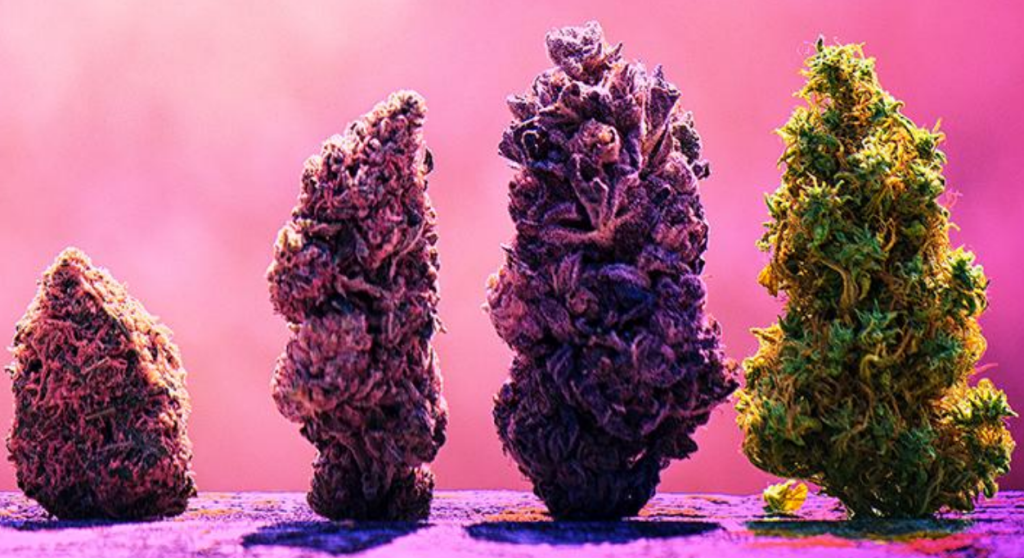
These might include striking visual appeal—vibrant purple hues, bright orange pistils, or a thick coating of crystalline trichomes that make the buds shimmer. Exotic strains often feature complex, distinctive aromas ranging from fruity and sweet to earthy and gassy, with layers of scent that reveal themselves as you break apart the flower.
The effects profile matters too. Exotic varieties are typically bred for specific experiences, whether that’s deep relaxation, creative energy, or balanced calm. The best exotic strains deliver consistent, high-quality effects that reflect careful genetics and expert cultivation.
Growers producing exotic flower pay meticulous attention to every detail—soil composition, lighting schedules, nutrient ratios, humidity levels, and harvest timing. This dedication results in flower that stands out in both appearance and experience.
How THCA Flower Differs from Traditional Cannabis
While THCA flower and traditional cannabis products might look similar, there are some important distinctions to understand as a beginner.
The most obvious difference is the legal status. THCA flower sourced from compliant hemp cultivators can be legally purchased and shipped in many areas where Delta 9 cannabis remains prohibited. This opens doors for people who previously had no access to quality flower.
Another key difference lies in the shopping experience. When you buy THCA flower, you’re typically dealing with online retailers or hemp specialty shops rather than state-licensed dispensaries. This means different quality standards, testing requirements, and purchasing processes.
The flower itself, however, can be remarkably similar to what you’d find in a traditional dispensary. High-quality THCA flower features the same potent cannabinoid profiles, rich terpene content, and carefully bred genetics. Once heated and converted to THC, the experience can be virtually identical.
Choosing Your First Exotic Strain
Walking into the world of exotic strains can feel overwhelming when you’re faced with dozens of unfamiliar names and descriptions. Here’s how to narrow down your options and find something that suits your needs.
Start with Understanding Strain Types
Cannabis strains traditionally fall into three categories: indica, sativa, and hybrid. While these classifications are somewhat simplified, they provide a useful starting framework.
Indica-dominant strains are generally associated with relaxing, body-focused effects. People often choose these for evening use or unwinding after a long day. Sativa-dominant strains tend toward energizing, uplifting experiences that work well for daytime activities. Hybrids blend characteristics of both, offering balanced effects.
As a beginner, hybrids often provide the most forgiving experience. They offer variety without leaning too heavily in one direction, giving you a sense of what you enjoy before committing to more specialized strains.
Consider Terpene Profiles
Terpenes are aromatic compounds that give cannabis its distinctive smells and contribute significantly to the overall experience. Learning a few common terpenes helps you predict what you might enjoy.
Myrcene produces earthy, musky aromas and is associated with relaxing effects. Limonene offers citrus scents and tends toward uplifting experiences. Pinene smells like pine trees and may promote alertness. Caryophyllene has a spicy, peppery aroma and is the only terpene that also acts as a cannabinoid.
When exploring Exotic THCA Flower, pay attention to terpene information in product descriptions. This helps you find strains with aromatic profiles and effects that match your preferences.
Read Descriptions Carefully
Quality retailers provide detailed strain information including genetics, dominant terpenes, potency levels, and expected effects. Don’t skip over these descriptions—they’re your roadmap to finding the right flower.
Look for mentions of flavor notes, growing methods, and harvest details. Indoor-grown flower typically offers more controlled quality, while outdoor flower can have unique characteristics from sun cultivation. Small-batch grows often indicate extra attention to detail.
Quality Indicators to Look For
Not all THCA flower is created equal. Learning to spot quality markers helps you avoid disappointing purchases and ensures you’re getting what you pay for.
Visual Inspection
High-quality exotic flower should be visually impressive. Look for dense, well-formed buds with vibrant colors—whether that’s deep green, purple, or orange. The flower should be covered in visible trichomes, the tiny crystal-like structures that contain cannabinoids and terpenes.
Avoid flower that looks brown, overly dry and crumbly, or has visible seeds and stems. These are signs of low quality, improper storage, or premature harvesting.
Aroma and Freshness
Fresh, properly cured flower has a strong, pleasant aroma. When you open the container, you should immediately notice the scent. Weak or hay-like smells suggest old or improperly stored product.
The flower shouldn’t be so dry that it turns to dust when touched, nor so moist that it feels wet. Properly cured flower has a slight springiness—it compresses when squeezed but springs back.
Third-Party Testing
Reputable sellers provide lab results showing cannabinoid content, terpene profiles, and verification that the flower is free from pesticides, heavy metals, mold, and other contaminants. Always check for recent Certificates of Analysis before purchasing.
Consumption Methods for Beginners
Once you’ve selected your flower, you’ll need to decide how to consume it. Each method offers different advantages for newcomers.
Smoking
The most traditional method is smoking, whether through a pipe, water pipe, or rolled in paper. Smoking provides quick onset of effects—usually within minutes—making it easier to gauge your tolerance and stop when you’ve had enough.
The downside is that smoking can be harsh on the lungs, especially for people unaccustomed to it. Start with small amounts, take slow draws, and give yourself time between sessions to understand how you’re affected.
Vaporizing
Vaporizers heat flower to a temperature that releases cannabinoids and terpenes without combustion. This produces smoother, less irritating vapor while preserving more of the flower’s flavor profile.
Quality dry herb vaporizers require an upfront investment but offer a more refined experience. They’re particularly good for appreciating the subtle flavor differences between exotic strains.
Starting Low and Going Slow
Regardless of method, the golden rule for beginners is to start with small amounts. Take one or two small puffs and wait 10-15 minutes to feel the full effects before consuming more. THCA flower can be potent, especially exotic varieties bred for high cannabinoid content, and it’s much easier to take more than to undo taking too much.
Storage and Preservation Tips
Proper storage keeps your flower fresh and potent for weeks or even months. Improper storage leads to degraded quality, lost potency, and unpleasant experiences.
Store your flower in an airtight container away from direct light, heat, and moisture. Glass jars with tight-sealing lids work perfectly. Keep the container in a cool, dark place like a drawer or cabinet.
Humidity control makes a difference for longer-term storage. Small humidity packs designed for cannabis storage (typically targeting 58-62% relative humidity) prevent the flower from becoming too dry or developing mold.
Avoid keeping flower in plastic bags for extended periods, as this can affect flavor and moisture levels. Never store it in the refrigerator or freezer, as temperature fluctuations create condensation that damages the flower.
Recognizing and Respecting Your Limits
Everyone reacts differently to cannabis and THCA flower. Factors like body weight, tolerance, metabolism, and even your current mood all influence your experience.
As a beginner, pay close attention to how you feel during and after consumption. Some people love the experience immediately, while others need time to adjust. There’s no wrong response—it’s about discovering what works for you.
If you ever feel uncomfortable, remember that the effects are temporary. Find a safe, comfortable place to relax. Drink water, eat a light snack, and put on something calming to watch or listen to. The feeling will pass.
Building a positive relationship with THCA flower means respecting it as something that enhances life rather than dominates it. Use it intentionally rather than habitually, especially while you’re still learning what you enjoy.
Developing Your Palate
Part of the fun in exploring exotic strains is developing your ability to distinguish between different varieties. This appreciation deepens over time as you try various strains and pay attention to subtle differences.
Keep informal notes about strains you try—what they looked like, how they smelled, what effects you noticed, and whether you’d choose them again. This personal reference guide helps you identify patterns in what you enjoy.
Don’t be afraid to experiment with different strain types, terpene profiles, and growers. The diversity in Exotic THCA Flower means there’s always something new to discover, and your preferences might evolve as you gain experience.
Making Informed Decisions
Entering the world of exotic THCA flower as a beginner is exciting, but it requires thoughtfulness and responsible exploration. Focus on quality over quantity, start with conservative amounts, and give yourself time to understand how different strains affect you personally.
Buy from reputable sources that provide transparent information about their products, including detailed lab testing and clear descriptions. Don’t hesitate to reach out with questions—good retailers welcome inquiries from newcomers and want to help you find the right flower.
Most importantly, approach this journey with patience and curiosity. There’s no rush to try everything at once or to develop expert-level knowledge overnight. The beauty of exotic THCA flower lies in the exploration itself—discovering unique aromas, experiencing different effects, and finding what resonates with you. Take your time, stay informed about local laws, and enjoy the process of becoming familiar with this remarkable plant.
Exotic THCA flower
More about exotic THCA flower, click here!