Stress doesn’t always come wrapped in an obvious fix. Many people reach for CBD edibles because they want something discreet, no prescription, no smoke, no complicated routine. The problem? The market’s flooded. The difference between a solid product and one with sloppy labeling can be night and day.
That’s where third-party testing comes in. This article walks you through where to actually find third-party tested CBD edibles for stress relief, what those lab reports mean in plain terms, and which places to buy from if you want real transparency before your money leaves your wallet.
Why Third-Party Testing Is Non-Negotiable for CBD Edibles
Third-party testing works like this: an independent lab with zero financial ties to the brand tests the product and releases a Certificate of Analysis (COA). That document spells out what’s really in the edible: the actual CBD content, THC levels, any leftover solvents, heavy metals, and pesticides.
Retailers that carefully pick products backed by real lab documentation take the guesswork out of shopping. Olofly does this; they stock hemp-derived edibles from brands that verify their products with actual COA documentation. You’re not left wondering if what’s on the label matches what’s inside the package.
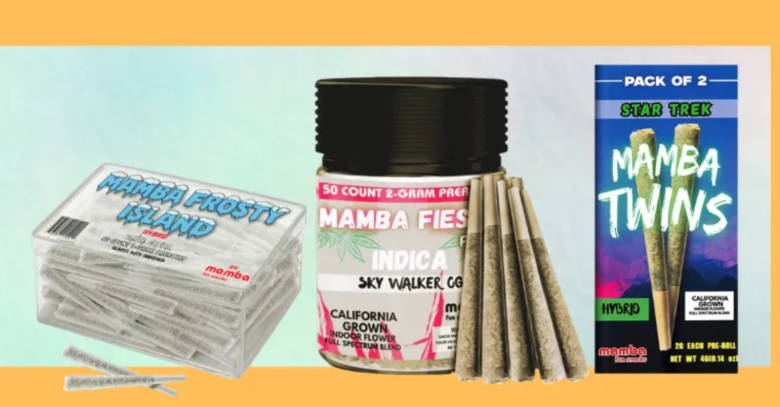
Online stores like Mamba Brands also contribute to this growing demand for transparency by offering cannabinoid products designed with quality and consistency in mind. Their flavorful gummies and vape products have become increasingly popular among users looking for reliable hemp-derived experiences.
What a Certificate of Analysis Actually Tells You
A COA isn’t just a rubber stamp. It breaks down cannabinoid percentages, verifies that delta-9 THC stays at or below 0.3% (the federal hemp limit), and spots any contaminants that could hurt your health. Any brand that won’t share its COA? Walk away.
Potency vs. Label Claims
Here’s the catch: a 2023 study published in the Journal of the American Medical Association found that roughly 26% of CBD products tested online contained less CBD than advertised. That matters for stress relief, because an underdosed product just won’t deliver what you’re expecting.
Contaminant Panels: What to Look For
Find a COA that covers at least four things: cannabinoid potency, heavy metals, pesticides, and microbials. If a product only tests for potency and skips contaminant panels, it doesn’t matter how nice the packaging looks; you’re not getting the full story.
Where to Actually Buy Third-Party Tested CBD Edibles
Third-party tested CBD edibles for stress relief come through three main paths: licensed online retailers, brand websites, and certain physical stores. Each has advantages and drawbacks.
Licensed Online Retailers
Online head shops and hemp retailers usually stock way more selection than you’d find on any single brand’s site. The reputable ones screen products before they list them; that means you get a layer of vetting that a general marketplace won’t give you. The best retailers display COAs directly on product pages or link them prominently, so you can check the lab results before you check out.
Buying Direct from the Brand
Going straight to a brand’s website cuts out the middleman. But it also means you’re betting entirely on that brand’s quality control. And not every brand is equally upfront about its practices. Look for a recent test date on the COA (nothing older than 12 months) and check whether the testing lab holds ISO 17025 accreditation, the international standard that matters for labs.
What to Avoid at Gas Stations and Convenience Stores
Gas station CBD earned its lousy reputation honestly. A 2022 investigation by the U.S. Hemp Authority found that many convenience store products lacked current, easy-to-find lab documentation. Sure, it’s convenient. But the odds of landing a mislabeled or contaminated product shoot way up in that channel.
How to Pick the Right CBD Edible for Stress Relief
Not all CBD edibles work the same way. Format, spectrum type, and dose all change how well something works for you.
Full-Spectrum vs. Broad-Spectrum vs. Isolate
Full-spectrum edibles pack CBD alongside other cannabinoids, terpenes, and a trace of THC. Many people swear full-spectrum works better than CBD on its own; researchers call this the “entourage effect.” Broad-spectrum strips out the THC but keeps the other cannabinoids. Isolate is just pure CBD. For stress, most users report better results with full-spectrum or broad-spectrum. That said, isolate works well if you need to steer completely clear of THC.
Dose Ranges for Stress
A 2019 clinical study published in The Permanente Journal tracked participants who took 25 mg of CBD daily and found anxiety scores dropped in 79% of them within the first month. Most stress-focused CBD edibles land in the 10-50 mg range per serving. Start low and adjust based on how you feel over one or two weeks.
Gummies vs. Other Edible Formats
Gummies win the popularity contest because each dose is measured out and the timing is predictable, usually 45-90 minutes to kick in. Chocolates and capsules work about the same way, though the onset can shift depending on fat content and how fast your body processes things. What matters most is the quality of the hemp extract and whether the dose is actually accurate; the format itself is secondary.
Conclusion
Finding third-party tested CBD edibles for stress relief isn’t rocket science once you know what matters. Zero in on COAs from ISO-accredited labs; buy from retailers or brands that make these reports easy to find; and skip any channel that can’t show you recent test results. Start with a modest dose, look at the contaminant panel, and let a new product have a real chance over a week or two before you decide if it works.
