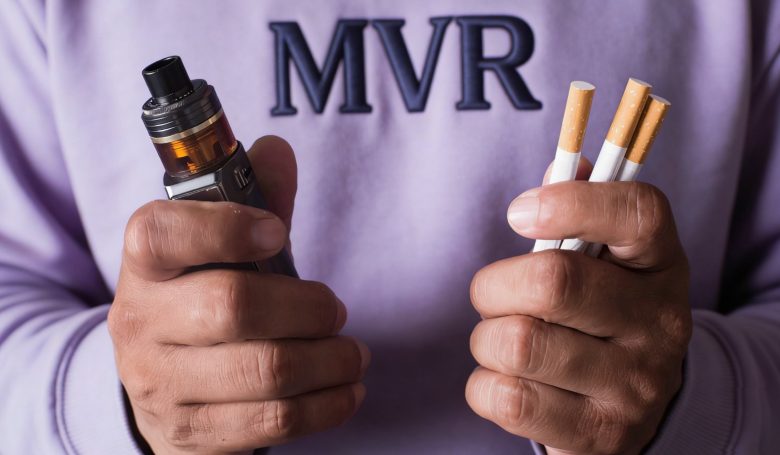
Switching from cigarettes to vaping can work, but only if it’s done correctly.
Many smokers in the UK buy a vape kit expecting an instant replacement for cigarettes. When it doesn’t feel identical, they assume vaping “doesn’t work” and return to smoking. In reality, most failed attempts come down to poor nicotine matching, unsuitable devices, or unrealistic expectations.
If your goal is to move away from tobacco smoke and reduce exposure to harmful chemicals produced by combustion, the transition needs to be structured. This guide explains how to switch from cigarettes to vaping successfully, based on what actually helps adult smokers make the change.
Understand What You’re Replacing
Cigarettes deliver nicotine through combustion. Burning tobacco produces tar, carbon monoxide, and thousands of toxic by-products. Vaping works differently. A vape device heats e-liquid to create vapour — no combustion, no smoke.
 That difference matters.
The nicotine delivery profile feels slightly different, especially in the first few days. Expecting vaping to replicate cigarettes perfectly is one of the biggest psychological barriers to success. The goal is not to copy smoking; it’s to replace nicotine intake without burning tobacco.
Recognising this early improves your mindset and reduces frustration during the adjustment phase.
Step 1: Get the Nicotine Strength Right
Nicotine management is the most important factor in switching successfully.
In the UK, nicotine e-liquid is regulated under the Tobacco Products Directive (TPD), which limits strength to 20mg/ml. For heavy smokers, 15–20mg nicotine salt e-liquid is often necessary. Moderate smokers typically find 10mg effective, while lighter smokers may prefer 3mg–6mg.
Nicotine salts are widely recommended for new switchers because they provide smoother throat hits and faster nicotine absorption compared to traditional freebase nicotine. Many beginners also prefer smoother options such as Elux Legend nic salt e-liquids UK, which are designed to work efficiently with pod-based vape systems.
Choosing nicotine that is too low leads to persistent cravings. When cravings aren’t controlled, relapse becomes likely. This is not about reducing nicotine immediately — it’s about stabilising first.
Step 2: Choose a Beginner-Friendly Vape Kit
Not all vape devices are suitable for smokers transitioning away from cigarettes.
For most adult smokers in the UK, a refillable pod system offers the best balance of simplicity and effectiveness. Pod kits are compact, easy to use, and designed for MTL inhalation, which closely mimics the draw of a cigarette.
A suitable beginner vape kit should include:
- TPD-compliant 2ml pod capacity
- Compatibility with 10mg–20mg nicotine salt e-liquid
- Draw activation (no complicated controls)
- Leak-resistant design
- Reliable battery capacity (800–1000mAh for daily use)
- USB-C charging
Many users transitioning from cigarettes also prefer compact rechargeable systems similar to rechargeable prefilled vape kits UK, which combine longer battery life with easy-to-use pod replacements.
Advanced box mods and high-powered direct-to-lung (DTL) devices are rarely helpful for new switchers. Larger vapour clouds do not improve nicotine satisfaction for smokers — they often complicate the process.
Simplicity increases consistency. Consistency increases success.
Step 3: Prepare for the First Two Weeks
The initial 7–14 days are the adjustment phase.
During this time, your body is adapting to the absence of tobacco smoke and combustion by-products. It’s common to experience:
- Temporary throat irritation
- Increased coughing (often linked to lung clearance)
- Strong habitual cravings
- Psychological attachment to cigarette routines
These reactions are part of smoking cessation, not signs that vaping is failing.
Keep your device charged. Carry spare e-liquid. Use your vape proactively, especially during known smoking triggers like mornings, after meals, or stressful situations.
Hydration also helps, as vaping can cause mild dehydration in the early stages.
Is Vaping Safer Than Smoking?
In the UK, public health bodies have consistently described vaping as a harm reduction tool for adult smokers. Because vaping eliminates combustion, exposure to tar and carbon monoxide is significantly reduced compared to cigarette smoke.
However, vaping is not risk-free. It is intended for existing adult smokers — not non-smokers or young people.
Understanding harm reduction is important. The decision is not between “safe” and “unsafe.” It is between continued exposure to tobacco smoke and a lower-risk alternative.
Making informed decisions based on evidence improves long-term outcomes.
Step 4: Manage Behavioural Triggers
Nicotine addiction has two components: chemical dependence and habit reinforcement.
Smoking often becomes attached to specific triggers:
- Morning coffee
- Stressful moments
- Alcohol consumption
- Social settings
- Work breaks
A successful switch requires replacing these behavioural moments with vaping. Removing cigarettes from your environment reduces temptation. If dual use occurs initially (using both cigarettes and vaping), aim for gradual reduction rather than immediate perfection.
Behavioural adjustment often takes longer than nicotine adjustment.
Step 5: Consider the Financial Impact
Cost is rarely the primary reason people switch, but it reinforces commitment.
In the UK, regular cigarette consumption can cost several hundred pounds per month. A refillable pod system, combined with bottled e-liquid and periodic coil replacement, is typically more cost-effective over time.
While upfront purchase costs exist, long-term vaping expenses are usually lower than smoking.
Financial sustainability supports long-term smoking cessation.
Common Mistakes That Undermine Success
Patterns emerge in unsuccessful transitions:
- Starting with nicotine strength that is too low
- Buying complex, non-beginner devices
- Running out of battery or e-liquid
- Expecting immediate perfection
- Underestimating stress-related triggers
Switching from cigarettes to vaping successfully requires planning. It is a structured behavioural shift, not an impulsive purchase.
How Long Does It Take to Fully Switch?
There is no fixed timeline.
Some smokers transition immediately. Others gradually reduce cigarette use over several weeks before eliminating them entirely. Stability is more important than speed.
Once cravings are controlled and cigarettes are no longer part of daily routine, nicotine reduction can be considered — but only after full stabilisation.
Final Thoughts
Switching from cigarettes to vaping successfully in the UK depends on three core factors: choosing the correct nicotine strength, selecting a simple TPD-compliant pod system, and preparing for the behavioural adjustment phase.
Vaping is most effective when approached as a structured harm reduction strategy for adult smokers — not as a trend or quick fix.
When nicotine satisfaction, device reliability, and realistic expectations align, the transition becomes manageable and sustainable.
If the objective is to move away from tobacco smoke, strategy will always outperform guesswork.