1. Introduction
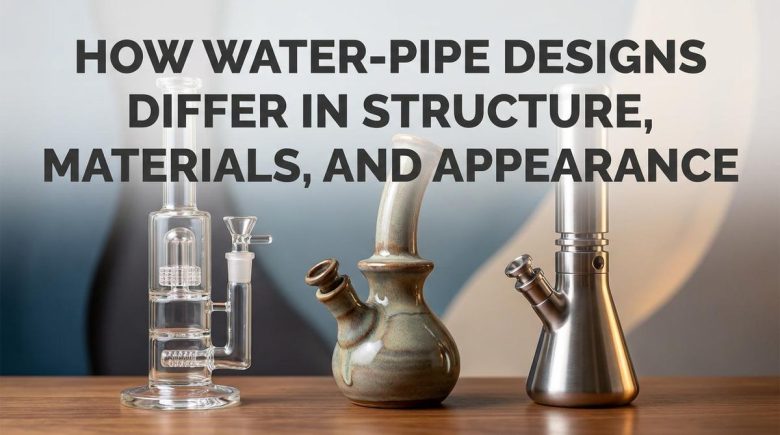
Walk into any well-stocked smoke shop or browse through an online headshop and you will quickly realize that water pipes come in an almost overwhelming variety of shapes, sizes, and styles. Some look like scientific lab equipment. Others are hand-blown works of art. A few are built for raw power while others prioritize smooth, filtered draws above everything else.
Understanding how these designs differ helps you make a smarter purchase, whether you are buying your first piece or adding to a growing collection.
 2. The Basic Anatomy of a Water Pipe
Before getting into the differences, it helps to understand what all water pipes share. At their core, every water pipe uses water as a filtration medium. Smoke or vapor travels through water before reaching your lungs, which cools it and removes some of the heavier particulates in the process.
The main components are the tube or chamber that holds the water, the downstem that directs smoke into the water, the bowl where material is placed, and the mouthpiece at the top. From this common foundation, designs branch out dramatically depending on the intended function, aesthetic goals, and materials used.
3. How Structure Shapes the Experience
Straight Tube Design
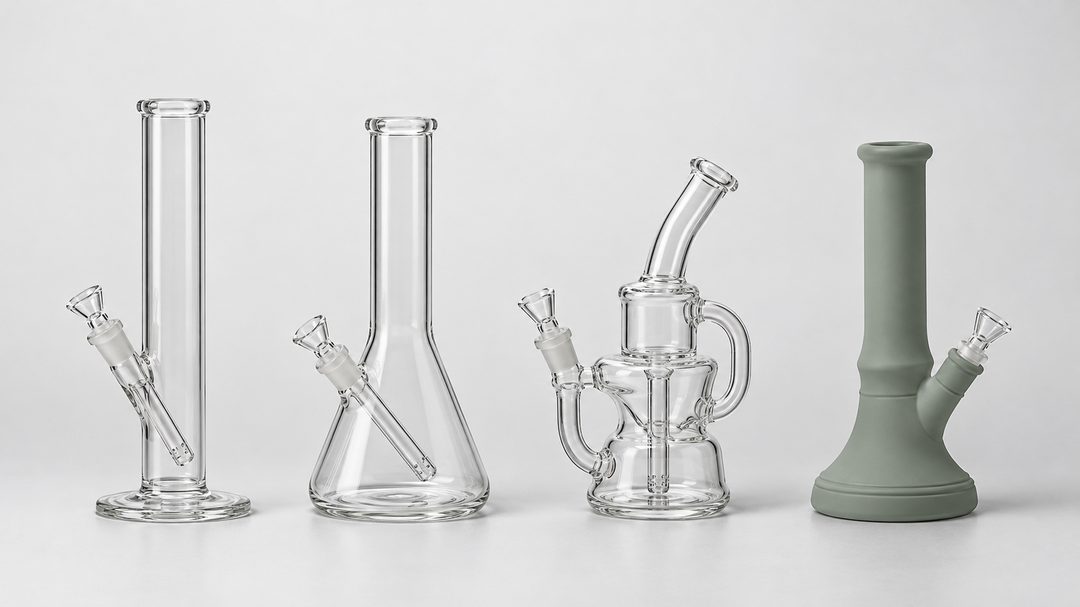
The straight tube is the most classic water pipe shape. It is exactly what it sounds like: a vertical cylinder with a fixed or removable downstem and a bowl piece. These pipes are straightforward to use, easy to clean, and tend to provide a direct and efficient draw.
With minimal distance between chamber and mouthpiece, straight tubes deliver a faster, more concentrated pull, ideal for a no-fuss experience.
Beaker Base Design
Beaker water pipes have a wide, conical base that expands out from the bottom before narrowing into a straight tube at the top. The extra volume at the base allows for more water, which adds stability and can provide slightly smoother filtration.
The wide footprint resists tipping, and the extra water volume produces a cooler, more forgiving draw.
Multi-Chamber and Recycler Designs
Multi-chamber designs force smoke through several stages of water filtration. Each pass cools and filters further, at the cost of added size and cleaning effort.
Recycler pipes continuously cycle water between chambers during the draw, keeping smoke in contact with water longer for an exceptionally smooth experience.
Gravity-Operated Designs
Gravity bongs work on a different principle: the weight of draining water pulls smoke into a chamber where it accumulates before inhaling.
The result is a dense, concentrated fill from less material, popular for a more intense session. If this style interests you, browsing Gravity Bongs for Sale gives you a clear look at the range of options available in this category.
4. How Materials Change Everything
Borosilicate Glass
Glass is the most widely used material for quality water pipes, and borosilicate glass is the preferred variety. It is resistant to thermal shock, meaning it can handle the temperature changes that come with regular use without cracking easily. It is also non-porous and chemically inert, so it does not affect flavor or absorb residue the way softer materials can.
Borosilicate glass is what you will find in most mid-range to high-end water pipes. It allows for the thickest wall construction and the most detailed glasswork, including intricate percolators and artistic designs that thinner glass cannot support.
Scientific Glass vs Soft Glass
Scientific glass means thick, clear borosilicate pieces with lab-inspired designs that prioritize durability over visual flair.
Soft glass covers colored, worked pieces that are more visually impressive but often less durable, sought by collectors for artistic quality.
Silicone, Acrylic, and Ceramic
Silicone pipes are nearly indestructible and ideal for travel. Food-grade silicone is heat resistant, though many users feel it does not deliver quite the same clean taste as glass.
Acrylic is the budget-friendly entry-level option, but it scratches easily and degrades with heat. Ceramic is a smaller artisan niche: hand-crafted, display-worthy, and heavier than glass.
5. Percolators and Diffusion Features
One of the most significant structural variables inside modern water pipes is the percolator. A percolator is any additional diffusion element built into the chamber that breaks smoke into smaller bubbles before it passes through the water. More bubbles mean more surface area in contact with water, which produces a smoother and cooler draw.
Common styles include tree, honeycomb, showerhead, and turbine percolators. Complex designs can require more effort to pull through, while simpler diffusers offer an easier draw.
6. Appearance, Size, and Portability
Beyond materials and structure, water pipes vary enormously in visual character. Clear scientific pieces prioritize transparency so you can watch the smoke travel through chambers and percolators. Colored and worked glass pieces tell a story through art, with designs ranging from simple color swirls to elaborate sculpted figures. Heady glass describes one-of-a-kind artistic pieces made by skilled glass artists that command prices reflecting the craftsmanship involved.
Smaller pieces are easier to clean but feel more restricted; larger pieces draw smoother but need more upkeep and are not travel-friendly. Novelty gravity formats sit outside these categories entirely.
7. Cleaning and Maintenance Across Different Designs
Straight tubes and beakers with simple downstems are the easiest to maintain. Multi-percolator or recycler pieces trap residue and need more thorough cleaning.
Glass responds well to isopropyl alcohol and coarse salt; silicone can often go in the dishwasher. Regular cleaning preserves both flavor and airflow.
8. Final Thoughts
Different structures, materials, and sizes serve different users. Understand the differences before you buy, and let the specs guide you as much as the aesthetics do.