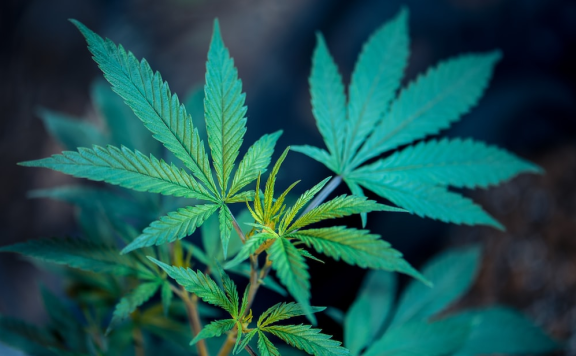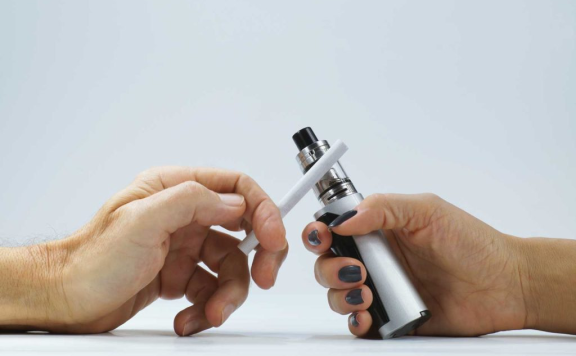
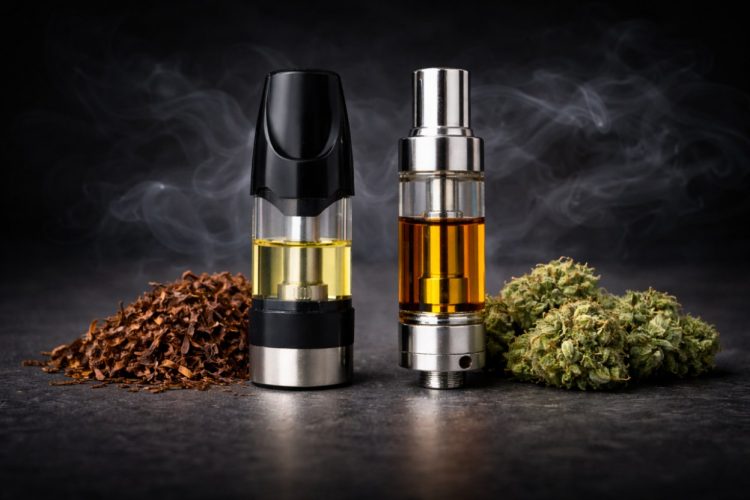
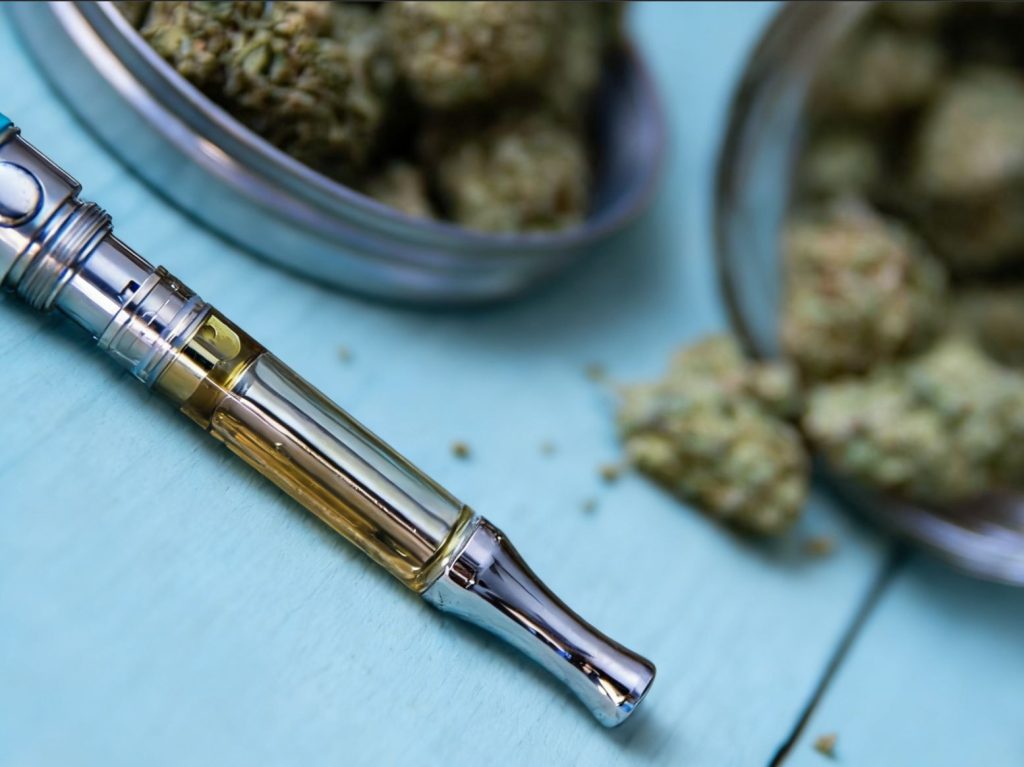
Nicotine vapes and cannabis vapes often look similar at first glance. Many use comparable batteries, cartridges, or pod-style designs. Despite that shared hardware, the experience they deliver can feel noticeably different. These differences come down to how nicotine e-liquids and cannabis oils behave inside vape devices, how they respond to heat and airflow, and how consumers in Northern California naturally interact with cannabis vape cartridges, whether purchased in-store or through regulated services like weed delivery Sacramento. Understanding these factors helps vapers better evaluate performance and choose devices that match their expectations.
Table of Contents
How Vape Hardware Influences the Experience
Although vape devices share common components, the materials being vaporized require different handling from the hardware.
1. Heating Behavior and Temperature Range
Nicotine e-liquids are designed to vaporize efficiently at lower temperatures, making them suitable for pod systems and lower-power devices. Cannabis oils are thicker and often need steadier or slightly higher heat to vaporize consistently.
This affects:
- Vapor warmth and density
- Consistency between draws
- Coil performance over time
2. Liquid Viscosity and Wick Performance
Nicotine e-liquids absorb quickly into cotton wicks, enabling frequent, rapid puffs. Cannabis oils move more slowly through wicking material, which influences draw timing and vapor output.
Key differences include:
- Faster response from nicotine setups
- Slower, more controlled draws with cannabis oils
- Different risks of dry hits or clogging
Why Vapor Feels Different Between Nicotine and Cannabis
The sensation of vaping is shaped by how vapor interacts with the user during inhalation.
1. Throat Sensation and Inhalation Feel
Nicotine is often associated with a noticeable throat sensation, especially at higher strengths. Cannabis vapor tends to feel heavier or smoother, depending on airflow and formulation.
Users may notice:
- Variations in throat sensation
- Differences in smoothness
- Changes in perceived vapor weight
2. Onset and Session Flow
Nicotine effects are typically felt quickly and fade more quickly, leading to shorter, more frequent sessions. Cannabis vapor may feel more gradual, which can result in longer sessions with more spacing between puffs.
This influences:
- Puff frequency
- Session length
- Overall pacing
Airflow Design and Device Performance
Airflow plays a significant role in shaping how vapor is delivered.
1. Mouth-to-Lung vs Restricted Direct Draw
Nicotine vapes commonly use mouth-to-lung airflow for a controlled draw. Cannabis vapes often allow slightly more open airflow to accommodate thicker vapor.
This impacts:
- Draw resistance
- Vapor density
- User comfort
2. Power Output and Stability
Nicotine devices usually operate at lower wattages with steady output. Cannabis devices may offer variable voltage to better handle oil consistency.
As a result:
- Battery usage varies
- Heat consistency differs
- Coil lifespan can change
Differences in Usage Patterns
User behavior naturally adapts to the substance being vaped.
| Aspect | Nicotine Vapes | Cannabis Vapes |
| Puff Frequency | Higher | Lower |
| Session Length | Shorter | Longer |
| Vapor Density | Light to moderate | Moderate to dense |
| Typical Power | Lower | Variable |
| Draw Style | Mouth-to-lung | Restricted direct |
Practical Considerations for Vapers
Understanding these differences helps users make better choices.
Key points:
- Similar devices do not guarantee similar performance
- Liquid composition affects every part of the experience
- Airflow and power settings matter more with thicker oils
- Usage habits adjust naturally based on the substance
Frequently Asked Questions
Why does my cannabis vapes feel different than my nicotine vape?
Cannabis oils heat and flow differently than nicotine e-liquids, affecting coil saturation, draw timing, and vapor density. Wellness-oriented discussions from providers such as NorCal Holistics often point to formulation as a major factor in how vapor is experienced.
Can the same vape device be used for nicotine and cannabis?
Only if the device is designed for both, nicotine setups rely on fast wicking, while cannabis oils require slower flow and steadier heat.
Why does nicotine vaping feel more immediate?
Nicotine e-liquids vaporize quickly at lower temperatures, producing faster sensory feedback compared to thicker cannabis oils.
Does airflow affect the experience?
Yes. Tighter airflow sharpens nicotine delivery, while more open airflow helps manage thicker cannabis vapor.
Is one experience better than the other
Neither experience is inherently better. Each is designed around different substances and user preferences.
Conclusion
Nicotine and cannabis vapes may share similar device designs, but they produce different experiences due to how liquids interact with heat, airflow, and hardware. These differences shape vapor output, inhalation feel, and usage patterns. By understanding how each substance behaves inside a vape device, users can better evaluate performance and choose setups that align with their preferences. Ultimately, the experience depends on how the device and material work together and what the individual vaper values most.