
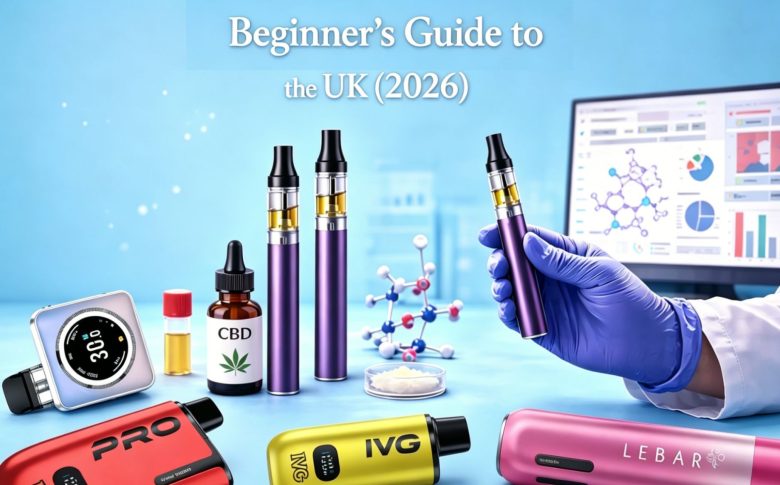
Vaping has become one of the most widely used alternatives to smoking in the UK, especially among adults looking to reduce or quit cigarettes. By 2026, the landscape has evolved significantly—stricter regulations, the removal of disposable vapes, and new taxes have all reshaped how people start and continue vaping. For beginners, this can feel overwhelming.
This guide breaks everything down clearly: what vaping is, how to choose your first device, what the laws say, and how to avoid common mistakes. Whether you’re switching from smoking or just curious, this is a practical starting point.
What Is Vaping?
Vaping is the act of inhaling vapour created by an electronic device. Unlike traditional cigarettes, which burn tobacco and produce smoke, vapes heat a liquid (called e-liquid) to create an aerosol. This means there’s no combustion, which significantly reduces the number of harmful chemicals compared to smoking.
E-liquids typically contain:
- Nicotine (optional, but common)
- Propylene glycol (PG), which carries flavour and provides throat hit
- Vegetable glycerine (VG), which produces vapour clouds
- Flavourings
One important thing to understand is that vaping feels different from smoking. The sensation, nicotine delivery, and habits are not identical. Some beginners expect a direct replacement and get frustrated—adjustment is normal.
In the UK, vaping is often promoted as a harm-reduction tool for smokers, but it is not recommended for people who have never smoked. While it’s less harmful than cigarettes, it still involves inhaling substances into the lungs.
Is Vaping Legal in the UK?
Yes, vaping is legal—but tightly regulated to ensure safety and limit youth access.
As of 2026, the key legal points include:
- You must be at least 18 years old to purchase vape products
- Retailers must comply with strict product safety and quality standards
- All nicotine-containing products are regulated under UK law
One of the biggest recent changes is the ban on disposable vapes, introduced in 2025. These were previously popular due to convenience but raised concerns around youth usage and environmental waste. As a result, beginners now need to use rechargeable and refillable devices.
The government is also continuing to tighten controls through ongoing legislation. This includes:
- Restrictions on advertising and branding
- Limits on how products are displayed in shops
- Increased enforcement on underage sales
A new vaping duty (tax) will take effect in October 2026. This will increase the cost of e-liquids, meaning vaping may become slightly more expensive over time. However, it is still generally cheaper than smoking for most users and buying bulk vapes can be a good option.
Understanding these laws is important—not just to stay compliant, but to ensure you’re buying safe, regulated products.
Types of Vape Devices
There are many different vape devices on the market, but beginners should focus on simplicity and reliability rather than advanced features.
1. Pod Kits (Best for Beginners)
Pod kits are the most recommended starting point. They consist of a battery and a small pod that holds the e-liquid. Some pods are refillable, while others are pre-filled.
They are popular because:
- They’re easy to use—often just inhale to activate
- They require minimal maintenance
- They are compact and portable
- They work well with nicotine salts, which suit beginners
Refillable pod kits are now especially important since disposable vapes are banned. One the highly recommended device is Hayati pro max plus, device comes with 6000 puffs and available on deal prices at Ninja Vapes
2. Vape Pens
Vape pens are slightly larger and shaped like a pen or tube. They often have a button to activate the device and may offer more vapour production than pod systems.
They can be a good middle ground if:
- You want more control than a pod system
- You prefer a stronger vapour output
- You don’t mind a slightly larger device
However, they still remain beginner-friendly compared to more advanced options.
- Box Mods (Advanced Users)
Box mods are larger, more powerful devices with adjustable settings such as wattage, airflow, and temperature. They are designed for experienced users who want to customise their vaping experience.
For beginners, they are usually not recommended because:
- They are more complex to operate
- They require knowledge of coils and settings
- They can be overwhelming at first
Starting simple is almost always the better approach.
Understanding E-Liquid
E-liquid is a crucial part of the vaping experience, and choosing the right one can make the difference between success and frustration.
Nicotine Strength
In the UK, nicotine strength is capped at 20 mg/ml. Choosing the right level depends on your smoking history:
- 5–10 mg: Suitable for light or occasional smokers
- 10–20 mg: Better for heavier smokers
If you choose a strength that’s too low, you may still crave cigarettes. Too high, and you may feel dizzy or uncomfortable. It’s normal to adjust over time.
Nicotine salts (nic salts) are particularly popular for beginners because they provide a smoother throat hit and quicker nicotine satisfaction.
PG/VG Ratio
E-liquids come in different ratios of PG and VG:
- Higher PG: stronger throat hit, less vapour
- Higher VG: smoother inhale, more vapour
Most beginner-friendly liquids are balanced or slightly higher in PG.
Bottle and Tank Limits
UK regulations limit:
- Nicotine e-liquids to 10 ml bottles
- Vape tank capacity to 2 ml
These rules are designed for safety and consistency across products.
Flavours
Flavours range widely—from tobacco and menthol to fruit and dessert profiles. Many beginners prefer:
- Tobacco flavours for familiarity
- Menthol for a cooling sensation
- Fruit flavours for a cleaner break from smoking
Keep in mind that flavour regulations may become stricter in the future.
How to Start Vaping (Step-by-Step)
Getting started doesn’t need to be complicated, but a structured approach helps.
Step 1: Choose a Reliable Device
Pick a refillable pod kit from a reputable brand. Avoid extremely cheap products, as quality and safety matter.
Step 2: Select the Right E-Liquid
Start with a nicotine strength that matches your smoking habits. Nic salts are usually the easiest transition.
Step 3: Learn How to Use It
Read the instructions, understand how to fill the pod, and allow the coil to soak before first use to avoid burning.
Step 4: Adjust Gradually
You may need to experiment with flavours or nicotine strength before finding what works best.
Step 5: Maintain Your Device
Replace pods or coils regularly and keep the device clean to maintain performance and flavour.
Where Can You Vape?
Unlike smoking, vaping is not covered by a universal indoor ban in the UK. However, that doesn’t mean you can vape anywhere.
Most places set their own rules, and many choose to restrict vaping in order to avoid confusion or discomfort for others.
Common restrictions include:
- Public transport (trains, buses, trams)
- Restaurants, pubs, and cafés
- Offices and workplaces
- Shopping centres
There is also growing discussion around restricting vaping in certain public areas such as:
- Cars carrying children
- School zones
- Healthcare environments
The safest approach is simple: always check signage or ask before vaping indoors.
Key UK Vaping Laws (2026 Snapshot)
Here’s a clear summary of the most important rules:
- Minimum age: 18+
- Disposable vapes: banned
- Maximum nicotine strength: 20 mg/ml
- Maximum tank size: 2 ml
- Maximum bottle size: 10 ml
- Advertising: heavily restricted
- Vape tax: begins October 2026
These laws are designed to balance accessibility for adult smokers with protection for young people and non-smokers.
Health Considerations
Vaping is widely regarded as less harmful than smoking, primarily because it avoids combustion and many toxic by-products found in cigarette smoke.
Potential advantages:
- Reduced exposure to harmful chemicals
- No tar or carbon monoxide
- May support smoking cessation
Potential risks:
- Nicotine addiction
- Unknown long-term effects
- Possible irritation of the throat or lungs
If you are not already a smoker, starting vaping is generally not advised. If you are a smoker, vaping may be a useful alternative—but it’s best approached with clear goals.
Costs of Vaping in 2026
Vaping is usually cheaper than smoking, but costs can vary depending on your setup and habits.
Typical costs include:
- Starter kit: £15–£40
- E-liquid: £3–£6 per 10 ml
- Replacement pods/coils: £5–£15
With the upcoming vape duty, ongoing costs will likely increase slightly. However, refillable systems remain far more cost-effective than repeatedly buying disposables (which are no longer legal anyway).
Common Beginner Mistakes
Many new vapers run into avoidable issues. The most common include:
- Choosing the wrong nicotine strength
- Expecting vaping to feel exactly like smoking
- Not priming coils properly before use
- Buying low-quality or counterfeit products
- Neglecting device maintenance
Patience is key. It often takes a few tries to find the right combination of device, liquid, and nicotine level.
Final Thoughts
Starting vaping in the UK in 2026 requires a bit more awareness than in the past. Regulations are stricter, disposables are gone, and costs are evolving—but the core purpose remains the same.
For adult smokers, vaping can be a practical alternative when used correctly. The best way to begin is to keep things simple:
- Choose a reliable refillable device
- Use appropriate nicotine strength
- Follow UK regulations
- Take time to adjust
Vaping works best when approached with intention and understanding—not impulse.
