A customer picks a CBD product, enters a card, and taps pay. The screen returns a decline. The card works everywhere else, the funds are there, and the shopper has no idea why this store refused them. Most leave without trying again, and the brand never learns the sale existed.
Declines like this are rarely about the customer. They come from a bank or a risk system deciding a CBD charge looks dangerous, and they cost more revenue than fraud does. False declines, where a good transaction is refused, drain an estimated 13 times what merchants lose to actual card fraud. For a high-risk category, the rate is higher than average, making the problem worth solving directly.
The False Decline Problem
A false decline is a legitimate purchase that the payment system refuses by mistake. The customer has the money and the intent, and the transaction still fails. Across online retail these mistakes add up to tens of billions in lost sales each year, more than the fraud the systems are trying to stop. The buyer rarely blames the bank. They blame the store, and many do not come back.
CBD sellers absorb more of these than most. A charge from a hemp business comes with a category flag that risk models treat as elevated, so a borderline transaction that would go through for a bookshop gets refused for a CBD shop. The brand loses a real customer to a rule written for someone else’s fraud.
Issuer Risk Scoring on a CBD Charge
Every card transaction passes through a risk score before approval. The issuing bank weighs the merchant category, the size and timing of the charge, the match between the billing address and the card on file, and the buyer’s recent pattern. A CBD merchant starts that scoring with a handicap because the category itself raises the baseline risk the model assigns.
Two checks decide many CBD declines. The address verification system compares the billing ZIP the shopper types to the one the bank has, and a mismatch adds risk. The card security code does the same job for the digits on the back. A customer who mistypes either one on a normal store might still go through. On a CBD store, the same error can be the difference that tips the score into a decline. First orders draw extra suspicion, since the bank has no history to weigh, and a large first purchase from a new account in a flagged category is close to a worst-case scenario for the score. Card fraud is the reason for the caution. Credit card numbers are stolen and resold constantly, and a bank that approves a fraudulent charge absorbs the loss, so its models lean toward refusing anything borderline.
Soft Declines and Hard Declines
Not every decline means the same thing, and treating them alike wastes sales. Consumer guides list many ordinary reasons a credit card can be declined, from a travel flag to a spending limit, and a CBD charge stacks the category on top of all of them. A soft decline is temporary. The issuer could not reach the network, the funds were briefly short, or a limit was hit, and the same card may go through minutes later. A hard decline is permanent. The card is reported lost, the account is closed, or the bank has flatly refused, and retrying only burns goodwill. The codes tell the story. A code for insufficient funds or an unreachable issuer points to a soft decline, while a code for a lost card or a closed account marks a hard one.
The distinction matters because the response differs. A soft decline deserves a second attempt, timed and worded with care. A hard decline calls for a different card or payment method. A merchant who reads the decline code instead of guessing recovers the soft declines and stops annoying the customers behind the hard ones.
Stable Routing for Payments
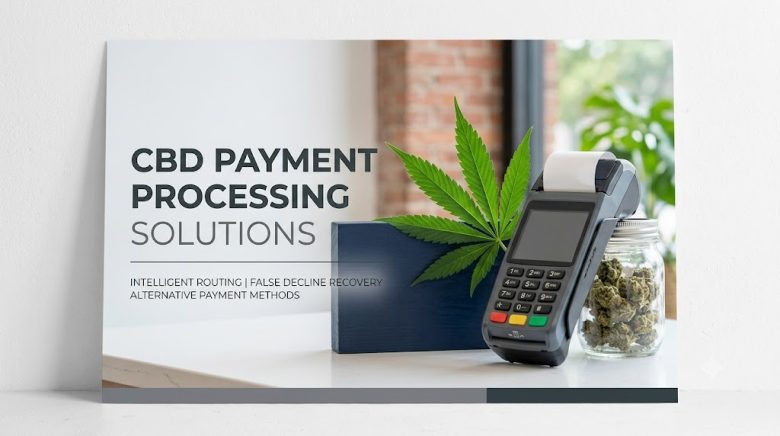
Some declines trace to the merchant’s own setup rather than the buyer’s bank. A processor that reluctantly tolerates the category may route transactions through banks that decline hemp charges by default. Moving to a provider whose core business includes cbd payment processing can reduce declines caused by unsuitable routing.
The right processor also passes cleaner transaction data to the issuer and retries soft declines on a smart schedule. A merchant stuck with a general processor inherits its blind spots and loses sales it never sees.
Recovering a Declined Sale
A declined sale is not always lost. The first tool is intelligent retry. A soft-declined card retried at a better moment, a few hours later or after a small change, often goes through, and the customer never has to act. For subscriptions, an automated dunning sequence retries failed renewals on a schedule and emails the customer before the plan lapses. A card updater service quietly refreshes expired or reissued card numbers so a renewal does not fail for a stale digit. Wallets help too, since a saved token in a mobile wallet sidesteps the typos that trigger address and security-code mismatches.
The second tool is the message on the screen. A blunt decline with no guidance sends the shopper away. A short, specific line asking them to check the card details or try another payment method keeps the sale in play and improves the checkout experience. The third tool is choice. Offering a second card field, a mobile wallet, or a bank transfer gives a declined buyer a path forward instead of a dead end.
Turning a Decline Into a Second Try
Most CBD brands treat a decline as a closed door. The better question is how often the system itself caused the decline. Once a brand starts reading its decline data, the answer is usually a number large enough to fund the fix several times over. Consumers lose billions to fraud and scams each year, and the systems built to stop that loss are the same ones refusing good CBD sales by mistake.
Recovering it takes ordinary discipline more than clever tools. A cleaner data feed and a smarter retry catch the common cases, and a plain on-screen message saves many of the rest. With online sales at record highs, the revenue left on the table by preventable declines is bigger than most brands guess. A decline handled well stops being the end of a sale and becomes a pause in one.
Conclusion
Payment declines do not always signal a lost customer. In many cases, they reflect preventable friction within the payment process rather than a lack of buying intent. CBD brands that understand the difference between false declines, issuer decisions, and processor-related issues can recover more sales without changing their products or marketing. By improving payment routing, responding intelligently to decline codes, and giving customers a clear path to complete their purchase, businesses can reduce cart abandonment and protect revenue that might otherwise disappear unnoticed.
Frequently Asked Questions
Why do CBD payments get declined more often?
CBD businesses are considered high risk by many financial institutions, so transactions often receive additional scrutiny from issuer risk models and payment processors.
What is a false decline?
A false decline occurs when a legitimate customer with valid payment details has their transaction rejected even though there is no fraud involved.
How can CBD brands reduce cart abandonment caused by payment declines?
Using a processor experienced with CBD payments, retrying eligible soft declines, offering alternative payment methods, and displaying clear checkout messages can help recover sales.
What is the difference between a soft decline and a hard decline?
A soft decline is usually temporary and may succeed if retried later, while a hard decline indicates the transaction should not be retried with the same card.