CBD products have moved from niche wellness shelves into mainstream routines. People use them for stress management, sleep support, post-workout recovery, and general balance. As demand has grown, so has confusion around product labels, especially when it comes to full-spectrum and broad-spectrum CBD. Many consumers assume CBD is CBD, but the formula inside the bottle can make a meaningful difference, particularly if workplace or legal drug testing is part of your reality.
That distinction matters because drug tests usually do not screen for CBD itself. Most standard tests are designed to detect THC metabolites, the compounds linked to cannabis use. A person may choose CBD for non-intoxicating reasons and still face an unexpected result if they misunderstand how product types work. Knowing the difference between full-spectrum and broad-spectrum CBD can help you make informed, lower-risk choices.
Understanding the Core Difference Between Full-Spectrum and Broad-Spectrum CBD
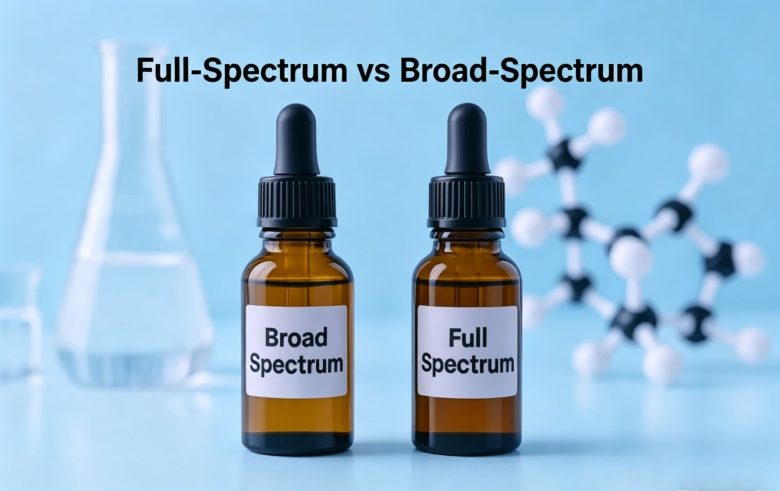
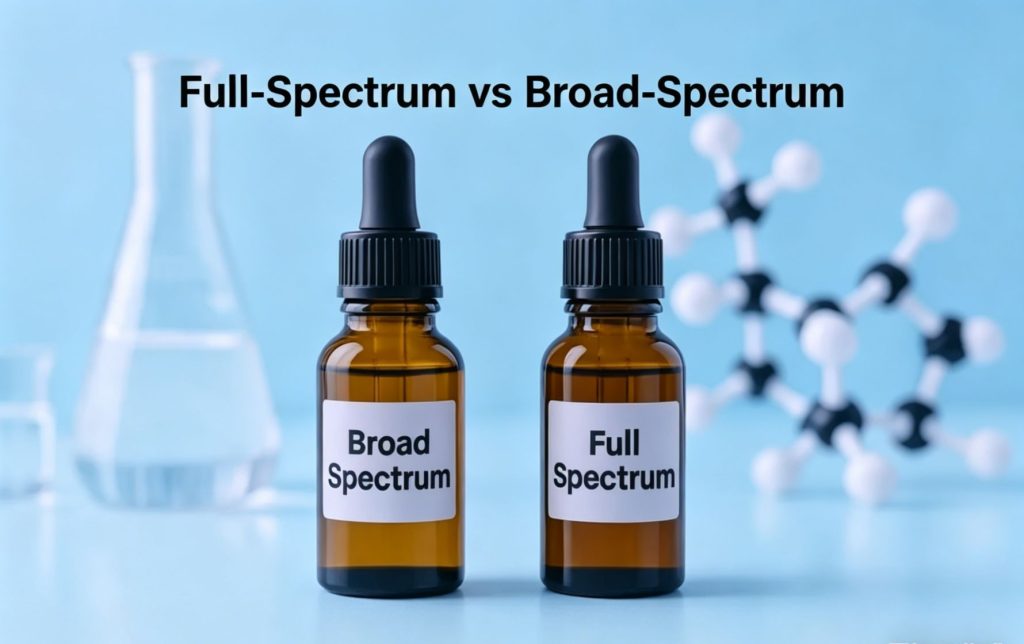
Full-spectrum CBD contains cannabidiol along with other naturally occurring hemp compounds, including terpenes, flavonoids, and trace amounts of THC. In the United States, federally compliant hemp products are generally required to contain no more than 0.3% THC on a dry-weight basis. While that amount sounds small, repeated use, high serving sizes, or long-term accumulation may still matter for some users.
Broad-spectrum CBD is designed to include multiple hemp compounds while removing THC or reducing it to non-detectable levels. Many people choose this option because they want a wider cannabinoid profile than CBD isolate without the same THC exposure risk associated with full-spectrum formulas. It is often marketed as a middle-ground solution.
CBD isolate is another category worth mentioning. It contains purified CBD with other plant compounds removed. While this article focuses on full-spectrum versus broad-spectrum, isolate is often considered by people with strict testing concerns because it minimizes exposure to THC when sourced from reputable manufacturers.
Why Drug Tests Usually Focus on THC Instead of CBD
Most workplace drug screening programs use urine tests that look for THC metabolites rather than active impairment. Employers, transportation sectors, healthcare systems, and regulated industries often rely on these tests because they are standardized and widely available. That means a person can feel completely sober and still test positive if enough THC metabolites are present.
CBD itself is not commonly the target of standard screening panels. However, the challenge comes from mislabeled products, contamination, or legal trace THC in certain formulas. Consumer protection groups and independent labs have repeatedly highlighted inconsistencies in supplement labeling across many wellness categories, including hemp-derived products. This is why experts often recommend reviewing third-party lab reports before purchasing.
For the average consumer, the key takeaway is simple: if THC enters the body consistently, even in small amounts, there is some level of testing risk. How much risk depends on dose, frequency, metabolism, body composition, test sensitivity, and product accuracy.
Full-Spectrum CBD and Higher Drug Test Risk
Among common CBD categories, full-spectrum products usually present the highest testing concern because they intentionally retain trace THC. Someone using full-spectrum oil once may never encounter an issue, while another person taking concentrated servings daily could build enough exposure over time to trigger a positive result. There is no universal threshold that guarantees safety.
This uncertainty is why many HR departments, clinicians, and compliance professionals advise caution for employees in zero-tolerance environments. If your job depends on random screening, even a legally purchased hemp product can create complications. Policy consequences often depend on the result itself rather than the user’s intention.
Consumers sometimes assume “legal hemp” means “risk-free.” Those are not the same thing. Legal status and drug-test outcomes are separate issues. Full-spectrum CBD may offer a richer plant profile, but it also carries more potential exposure to the compound tests are commonly built to detect.
Broad-Spectrum CBD and Reduced but Not Zero Risk
Broad-spectrum CBD is often chosen by users who want to lower testing concerns while avoiding isolate-only products. Because THC is typically removed, the chance of triggering a THC-based test may be lower than with full-spectrum alternatives. For many cautious consumers, this makes broad-spectrum a more practical option.
Still, reduced risk does not mean zero risk. Manufacturing errors, cross-contamination, inaccurate labels, or poor quality control can happen. This is why reputable brands invest in certificates of analysis from independent laboratories. These reports may show cannabinoid content, THC levels, and screening for contaminants.
If testing exposure is a serious concern, broad-spectrum users should verify batch reports, check ingredient transparency, and avoid vague marketing language. The safest strategy is not just choosing a category, but choosing a trustworthy manufacturer with consistent standards.
Practical Steps for Consumers Facing Drug Testing
If you know employment screening is possible, start by reviewing your company policy. Some organizations maintain strict no-THC standards regardless of source. Others may distinguish between legal hemp products and prohibited cannabis use, though many do not. Understanding policy first can prevent costly assumptions.
Next, evaluate whether CBD is necessary for your goals or whether non-hemp wellness options may fit better. If you still prefer CBD, broad-spectrum or isolate products from reputable brands are generally more cautious choices than full-spectrum formulas. Keep packaging, receipts, and lab reports in case documentation is ever helpful.
Consumers researching privacy-related testing conversations online often encounter searches like where to buy fake pee, but relying on shortcuts can create legal, employment, and ethical complications. A far better path is informed product selection, policy awareness, and transparent decision-making before any screening situation arises.
How to Read Labels and Shop Smarter
Look for clear language such as “full-spectrum,” “broad-spectrum,” or “CBD isolate” directly on the label. If the packaging avoids specifics, that is a warning sign. Serious brands usually explain cannabinoid content and provide access to batch-specific testing documents through QR codes or website links.
Pay attention to serving size. A low-strength product used occasionally may create different exposure patterns than a highly concentrated formula taken several times daily. Many consumers focus only on the bottle strength while ignoring how much they actually consume each week.
Finally, avoid assuming that expensive automatically means reliable or that trendy branding equals quality. Transparent sourcing, responsive customer support, independent lab testing, and clear educational materials are often better indicators of a responsible company.
Conclusion
When comparing full-spectrum and broad-spectrum CBD, the most important difference for drug testing is THC exposure. Full-spectrum products typically contain trace THC and may carry a higher screening risk, especially with frequent use. Broad-spectrum products are usually formulated to remove THC, making them a more cautious option, though no product can promise absolute certainty.
The smartest decision comes from matching your wellness goals with your real-world responsibilities. If testing consequences could affect your job, license, or future opportunities, choose carefully, verify quality, and understand policy rules before use. Informed choices protect both your health goals and your peace of mind.
