
For many people, living a vegan lifestyle goes beyond the dinner plate. It extends to every purchasing decision: skincare, clothing, and yes, even the products you inhale. As the vaping industry has matured, a growing number of consumers are asking the same question: is my vape juice actually vegan? It turns out, not all e-liquids are created equal when it comes to animal-derived ingredients and ethical sourcing. Whether you’re a longtime vaper exploring plant-based options or a cannabis enthusiast curious about the crossover between conscious living and inhalables, knowing what’s in your juice matters. Luckily, doing your homework is easier than ever, and a quick search through a reliable vape shop online can help you filter products by ingredient transparency and vegan certification before you buy. Taking this extra step ensures your choices stay aligned with both your lifestyle and your values.
The good news is that the market for plant-based e-liquids has expanded considerably. Today, shoppers can find a wide variety of vegan vape juice flavors crafted without animal-derived glycerin, artificial colorants tested on animals, or honey-based sweeteners: ingredients that sneak into more conventional products than most people realize. The shift toward cleaner, more ethical formulations mirrors broader trends in the wellness and cannabis spaces, where ingredient awareness has become a baseline expectation rather than a niche demand.
Table of Contents
What Makes a Vape Juice Vegan (or Not)?
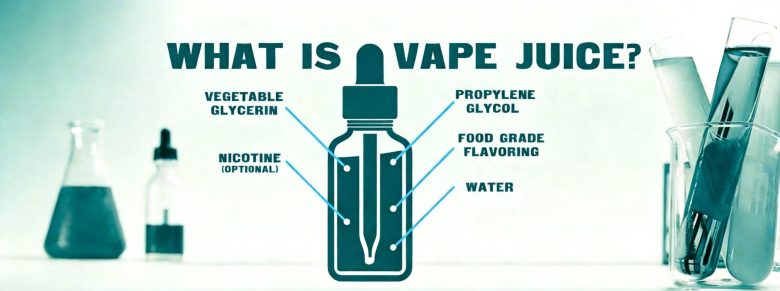
Most standard e-liquids contain a base of propylene glycol (PG), vegetable glycerin (VG), nicotine or cannabinoids, and flavorings. At first glance, this sounds plant-friendly, but the details matter.
Glycerin sourcing is the most common sticking point. Vegetable glycerin, derived from plant oils like soy, coconut, or palm, is vegan-friendly. Animal glycerin, on the other hand, is a byproduct of tallow (rendered animal fat) and is sometimes used as a cheaper alternative. Many budget e-liquid brands don’t specify which type they use, so looking for products that explicitly label their VG as plant-derived is essential.
Flavorings are another gray area. Natural flavor concentrates can include compounds extracted from animal sources. Castoreum (from beavers) has historically been used in vanilla and raspberry flavoring, and some dairy-derived flavor compounds appear in cream or custard profiles. Reputable vegan brands source their flavorings exclusively from botanical extracts and synthetic aroma compounds that carry no animal origin.
Sweeteners round out the concern list. Some manufacturers use honey or lactose-derived sweeteners to achieve a smooth, rounded sweetness in dessert or tobacco flavors. Vegan e-liquids substitute these with sucralose, stevia, or other plant-based sweetening agents.
Finally, colorants though less common in e-liquids than in food products can occasionally include carmine (red dye derived from cochineal insects). Clear or naturally tinted juices from brands with full ingredient disclosure are the safest bet.
Popular Flavor Categories in Vegan Vape Juices
One of the pleasant surprises for vapers making the switch to vegan options is that flavor variety is not compromised. Here’s a breakdown of the most popular categories and what to look for in each.
Fruit Flavors
Fruit profiles: strawberry, mango, watermelon, citrus blends, and berry mixes are among the most naturally vegan-friendly options. The flavor compounds used to recreate these tastes are overwhelmingly plant or synthetically derived. They also tend to have the cleanest ingredient lists, making them a great starting point for anyone transitioning to vegan e-liquids.
Look for juices that use cold-pressed or steam-extracted fruit concentrates rather than “natural flavor” catch-all labels. Brands focused on clean formulations will usually be specific about their sourcing.
Menthol and Mint
Menthol is derived from mint plants, making it inherently vegan. Cooling agents like WS-3 or WS-23, widely used in modern menthol juices, are synthetically produced and animal-free. Mint and menthol blends are among the safest categories for conscious vapers and require the least ingredient scrutiny.
Dessert and Custard Flavors
This is where things get more complicated. Cream, custard, and bakery-style flavors have historically relied on dairy-derived compounds or honey notes to achieve their richness. In vegan formulations, these are replaced with plant-based coconut cream analogs, synthetic vanilla derived from vanillin (a compound found in cloves and pine bark), and non-dairy butterscotch notes.
When shopping for vegan dessert flavors, look for brands that explicitly state “dairy-free” and “honey-free” on their product pages, and that list every flavoring ingredient rather than grouping them under a generic label.
Tobacco Flavors
Tobacco e-liquids are a mixed bag in the vegan world. Some traditional tobacco extracts involve animal-derived binding agents or processing aids. However, a number of craft producers now offer tobacco-forward flavors made entirely from botanical tobacco absolutes and plant-derived carrier compounds. These tend to have a more nuanced, natural taste than synthetic tobacco approximations.
Beverage-Inspired Flavors
Coffee, tea, and juice-inspired e-liquids have become enormously popular. Most are vegan by default — particularly green tea, hibiscus, and citrus-forward blends. Coffee profiles occasionally incorporate cream-based notes, so the same dairy-free caveat applies here as with dessert flavors.
What to Look for on the Label
Navigating ingredient lists can feel overwhelming, but a few key markers make vegan vape juice easy to identify:
Positive signs to look for:
- “100% vegetable glycerin” or “plant-derived VG”
- “Vegan certified” or third-party vegan certification logos
- Full flavor ingredient disclosure (not just “natural and artificial flavors”)
- “Dairy-free,” “honey-free,” and “cruelty-free” callouts
- Brands that publish their sourcing policies or COAs (certificates of analysis)
Red flags to watch for:
- Unlabeled glycerin source
- “Natural flavors” with no further specification, especially in cream or tobacco profiles
- No published ingredient list beyond PG/VG/nicotine percentages
- No response from the brand when you inquire about animal-derived ingredients
Is Vegan Vape Juice Better for You?
This is a reasonable question, and the honest answer is nuanced. Vegan e-liquids aren’t inherently safer in terms of respiratory health and the risks associated with vaping are related to inhalation itself, and no formulation eliminates those. However, there are some secondary benefits to choosing clean, transparently sourced juices:
Fewer mystery ingredients generally mean a lower likelihood of exposure to undisclosed compounds. Brands that go to the trouble of vegan certification also tend to prioritize broader quality controls: cleaner lab testing, stricter manufacturing standards, and more complete labeling. For consumers who already apply rigorous ingredient scrutiny to food and personal care products, carrying that standard over to vape juice simply makes sense.
Final Thoughts
Vegan vaping is no longer a fringe concern,it’s a natural extension of the same values that drive plant-based eating, cruelty-free beauty, and ethical consumerism. As the e-liquid market continues to evolve, ingredient transparency is improving across the board, and the selection of genuinely vegan options has never been wider or more flavorful.
Whether you’re drawn by concern for animals, a preference for cleaner ingredient lists, or simply a desire to align all your habits with your values, vegan vape juice is a legitimate and increasingly accessible choice. Do your research, ask questions of brands that aren’t forthcoming, and don’t settle for vague ingredient disclosures. Your lungs and your ethics deserve the same care you bring to everything else on your plate.
