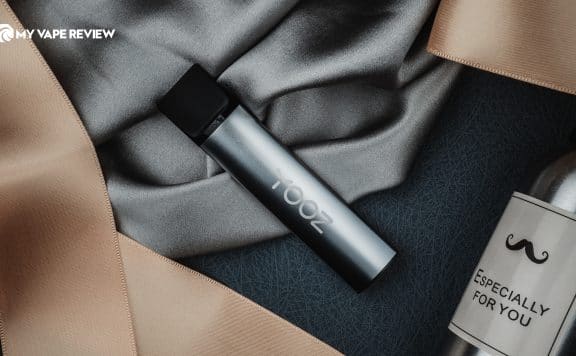

Vaporizers often appear alike on the outside, but their internal formulas produce different physical reactions. Handheld devices heat liquid solutions into inhalable vapor clouds without igniting dry plant matter. Currently, buyers encounter 2 distinct categories dominated by nicotine e-liquids and cannabis concentrates.
Nicotine pods and cannabis cartridges serve separate goals for adult buyers. Gaining clarity on what enters the lungs guides personal health choices.
Continue reading to discover everything you need to know!
Understanding the Base Ingredients
Nicotine liquids combine tobacco-derived concentrates with propylene glycol and vegetable glycerin. Manufacturers introduce sweet flavor profiles to soften the sharp throat sensation produced by concentrated nicotine salts.
State regulators enforce purity standards on legal botanical concentrates to prevent contamination. Many adult shoppers check https://gooddayfarmdispensary.com/good-day-farm-kansas-city/ for legal product menus prior to purchasing cartridges. Licensed dispensaries provide certificates of analysis confirming that oils remain free from cutting agents.
Cannabis extracts rely on natural botanical terpenes rather than artificial additives to produce unique aromas. Pure distillates stay thick and amber, looking nothing like runny nicotine e-juices. This dense texture demands specialized heating chambers to prevent premature coil burnout.
Psychoactive Impacts and Cannabinoid Potency Levels
Nicotine is a drug that speeds up the body. It can make the heart beat faster and cause the brain to release dopamine. This can make people want to vape again and again, and they may vape to avoid feeling bad when they stop using nicotine.
Cannabis oil contains THC, a substance that changes how the brain works. A health report from Hackensack Meridian Health found that adults using cannabis with more than 15% THC were three times more likely to have psychosis.
Some cannabis vape products contain over 85% THC. These products can have very strong effects, even after a few short puffs.
Shared Usage Patterns Among Modern Adults
People use nicotine and cannabis in different ways. Nicotine users may take short puffs many times during the day. They often use small devices during work breaks or daily activities.
Cannabis users may prefer using it in the evening or on weekends. A study found that 54.6% of young adults who vape nicotine use cannabis extracts.
Using both substances can make quitting harder. The body can get used to both, making it difficult to stop. People who want to quit may need help with both habits.
Hardware Designs and Heating Mechanisms
Vape devices are made to work with different types of liquids. Thin liquids can pass through regular cotton parts, while thick oils can block them. This is why different devices have different heating systems.
There are several common device types:
- Small devices for thin liquids
- Glass cartridges with battery parts
These designs affect how hot the device gets when used. Cannabis oil devices often use ceramic parts that can handle higher heat. Nicotine devices usually work at lower temperatures.
Charging habits matter just as much. Use the cable and brick the maker recommends, never a frayed cord, and unplug once the device is full. Store cartridges upright in a cool place, keep them away from children and pets, and retire any pod that leaks, tastes scorched, or shows a swollen battery.
Thick cannabis oils and thin nicotine liquids need different hardware, and mixing them up causes most preventable problems. Oil in a nicotine pod wicks poorly, giving dry hits and burnt taste. Thin liquid in a high-heat oil cartridge can flood, leak, or spit hot droplets. Always buy the device type made for the liquid you use.
Why Device and Liquid Must Match
Certificates of analysis back up what the label claims. Licensed shops can point you to batch test results showing potency and screening for contaminants like pesticides, heavy metals, and residual solvents. If a seller cannot produce them, or the numbers on the shelf do not match the report, walk away regardless of price.
Packaging tells you most of what matters if you know where to look. Nicotine liquids list strength in milligrams per milliliter or as a percentage, plus the bottle volume so you can compare total content. Cannabis packaging should show THC and CBD percentages, the batch number, and a packaging date. Missing numbers or blurry print are reasons to choose a different product.
How to Read a Label Before You Buy
When in doubt, ask the shop to show the certificate before you pay, and keep your first purchase small. A careful first buy teaches you more than any review, and it keeps the experiment cheap if the product disappoints.
Weighing the Differences and Exploring the Potential Benefits of Cannabis
Selecting between these vaping options requires understanding their underlying ingredients and distinct bodily outcomes. Nicotine generates brief alertness, whereas cannabis alters sensory mood and mental clarity.
Both habits carry health considerations that warrant careful personal moderation. Knowing how hardware and compounds interact gives consumers greater confidence in their personal wellness decisions.
If you’d like to learn more, check out more articles on our blog.