
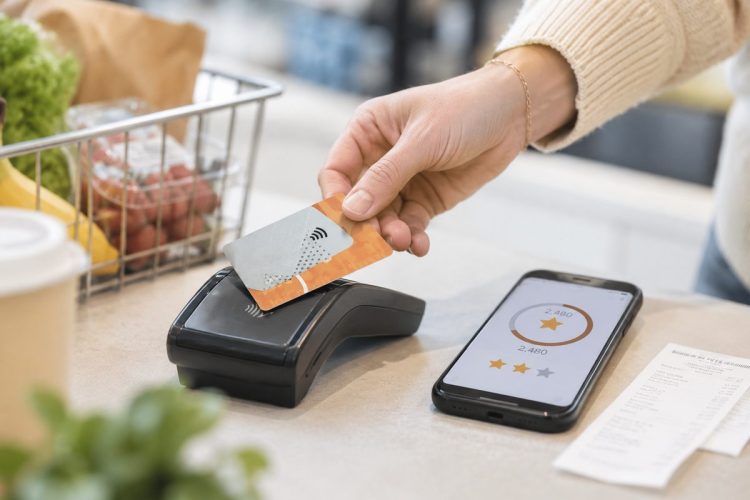
Could your next grocery run or online order earn twice the rewards? Many stores offer points, bonus deals, and member perks, but it can be hard to use them well. A few smart moves help you get more value from money you already spend.
Plan each purchase, watch for special offers, and use points before they expire. You do not need to buy more to earn more. Read on to learn savings strategies that can grow your points faster, protect your budget, and help you shop with confidence every single day with less stress, fewer surprises, and smarter choices too.
Join Free Programs And Read The Rules
Join free programs at stores you visit. Check how they give points, when points expire, and what rewards you can claim. Knowing the rules helps you plan each shop.
Some stores give new members a welcome bonus. Others offer points when you add your birthday or sign up for email alerts. Read the terms, then choose offers that fit.
Time Purchases Around Bonus Days
Many retailers run double-point days during sales. If you need an item, buy it during one of these offers. This helps you earn more without raising your budget.
Check the store app before shopping, since bonus dates change. List needed items and compare prices before you order. Good timing can help increase savings quickly and keep spending in check.
Stack Coupons With Member Offers
Some stores let you use a coupon and points offer together. This is stacking, and it can bring a bigger reward too. Check the rules, because some deals cannot be combined.
Look for member prices, app coupons, and store and shopping deals. If an offer gives bonus points on a product you buy, use it. Compare the final price, not just points earned.
Use Apps And Partner Offers
Retail apps show deals that are easy to miss in stores. Turn on alerts, and check the app before checkout. Some programs let you earn points through partner shops or online services.
For example, a rewards program with points can help shoppers track rewards and find ways to earn more. Review partner terms before buying. Use offers only for planned purchases, so points do not add extra costs.
Redeem Points With A Clear Plan
Points are useful when spent on items you need. Check each reward’s value, and look for times when points cover more of the cost. Some stores hold redemption events or offer membership perks.
Track expiry dates and use older points first. Treat rewards as budgeting essentials, not a reason to shop more. This supports effective money management and helps you enjoy what you earned.
Redemption timing matters as much as earning. Wait for member redemption events where the same points cover a bigger discount. Use soon-to-expire points first, and never redeem for items outside your list. The best program is the one you barely notice, quietly trimming bills you were going to pay anyway.
Bonus offers work only when the underlying purchase was already planned. Driving across town for triple points on something you did not need still costs gas and time. Likewise, buying a larger size just to unlock a reward backfires if half of it goes stale. If the deal changes what, where, or how much you buy, skip it.
When Skipping a Deal Saves More
Watch the fine print that shrinks value. Some programs round down, exclude sale items, or cap how many points apply per visit. Points that expire in 30 days are worth less than points that last a year. A simple note on your phone with each program’s rate, expiry, and exclusions keeps the comparison honest.
Not all points are equal, so do quick math before changing where you shop. If 100 points equal one dollar off, each point is worth one cent. A double-point event on a 40-dollar planned purchase earns 80 points, or 80 cents back. Compare that with a straight 5-percent member discount on the same basket, which saves two dollars at once.
How to Value a Point Before You Chase It
One last habit ties it together: review your programs twice a year. Drop cards you never use, keep the two or three that pay you back, and put the savings toward something you actually want.
Make Every Reward Count
Getting more points starts with a simple plan, not extra spending. Join useful programs, check bonus days, and compare offers before you pay. Watch expiry dates, and use rewards for things you need.
These habits can turn routine shopping into better savings while helping you stay within your budget. Points have value when used wisely, so focus on clear goals instead of chasing every deal or buying things you do not need at all, even on sale for your household month.
Did this guide help you? Browse the rest of this section for more advice on a variety of topics.